What can you build with Botlit?
Real workflows grounded in the product — from the first bot app through versioned agents, knowledge bases, your own model providers, channel deployment, and the governance that makes it enterprise-ready.
Showing 25 use cases
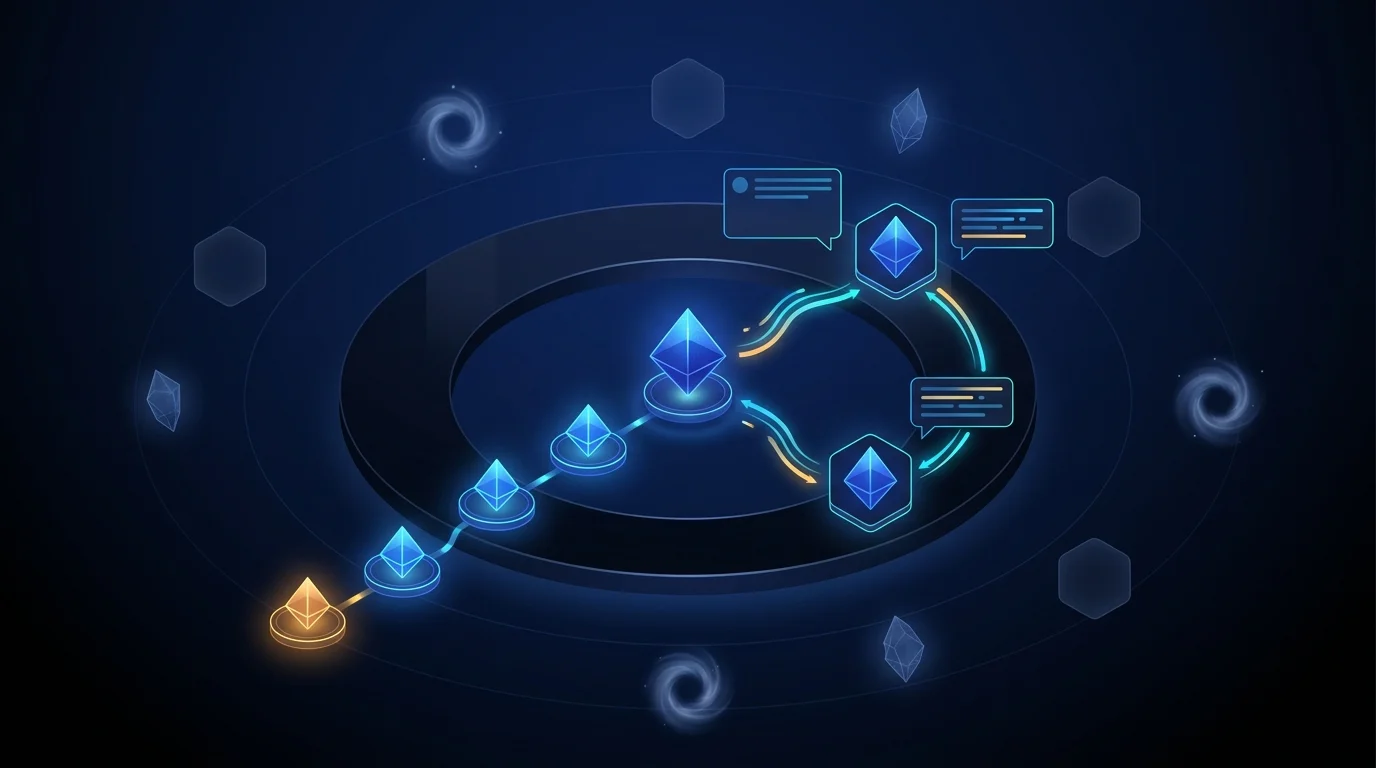
Getting Started
From signup to your first bot app in minutes
Sign up, land in a workspace, and create your first bot app — the root object every other Botlit flow hangs off. Agents, knowledge bases, and channels all attach to it, inside a workspace that already has RBAC, audit, and billing in place.

Getting Started
Install Agent Packages from Store | Botlit Use Cases
Skip the blank page: install app and agent packages from the Botlit store across ten package kinds, either linked (tracking upstream updates) or forked (a copy you fully own) — and fork later if a linked install needs client-specific changes.
Getting Started
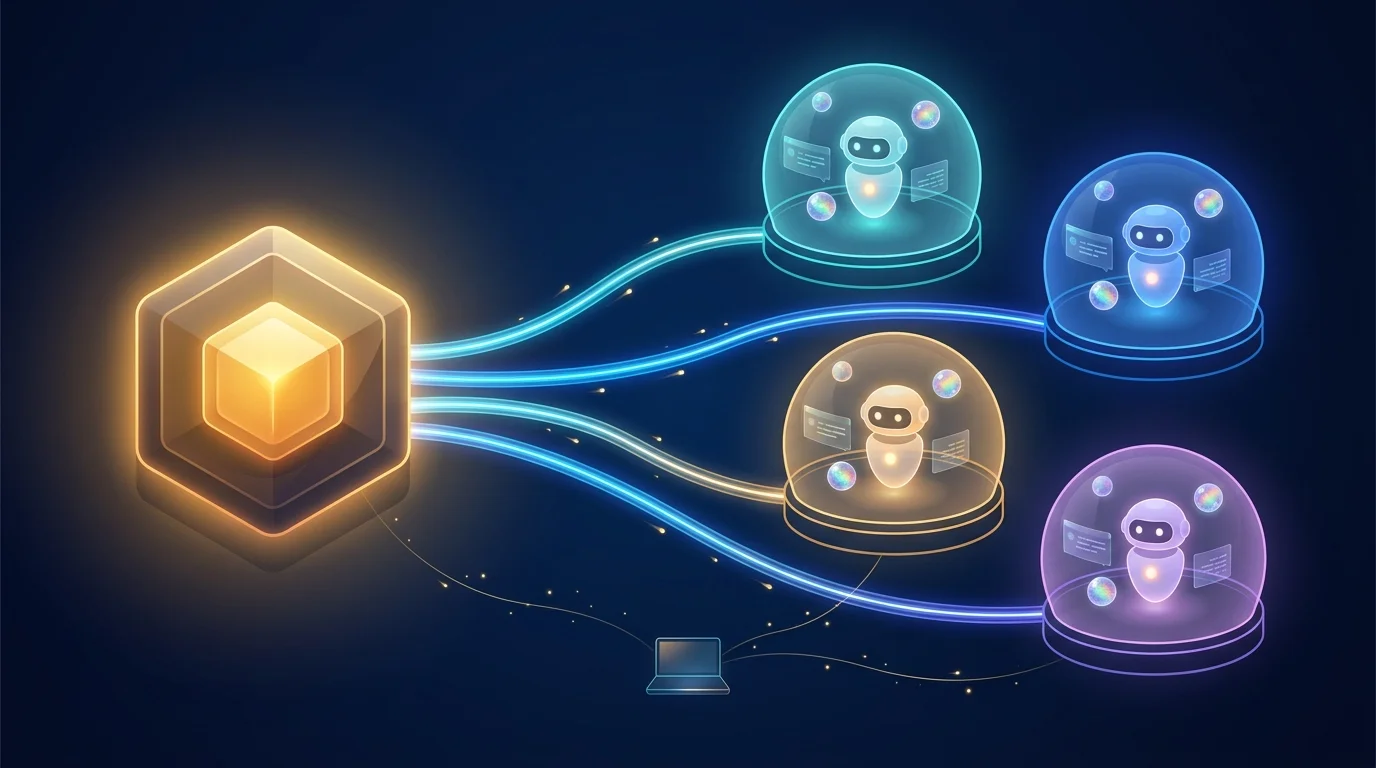
Productized Client-Bot Practice | Botlit Use Cases
Create a repeatable AI support bot service: deploy a Client Support Bot package per client, customize as needed, and manage from one seat.
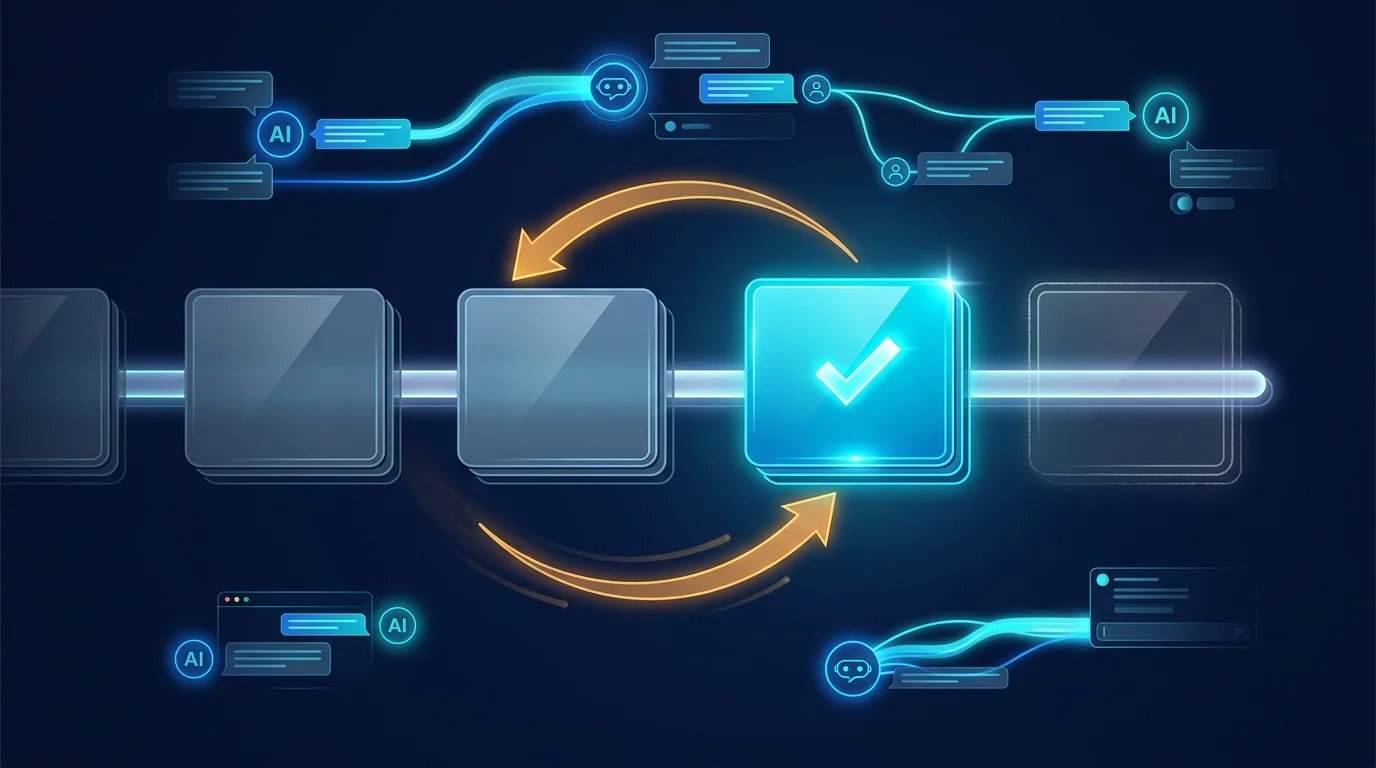
Build Agents
Agent versioning with publish, changelog, and rollback
Manage agent versions with full control: draft, publish with changelog, and roll back if needed. Ensure seamless app-agent routing.
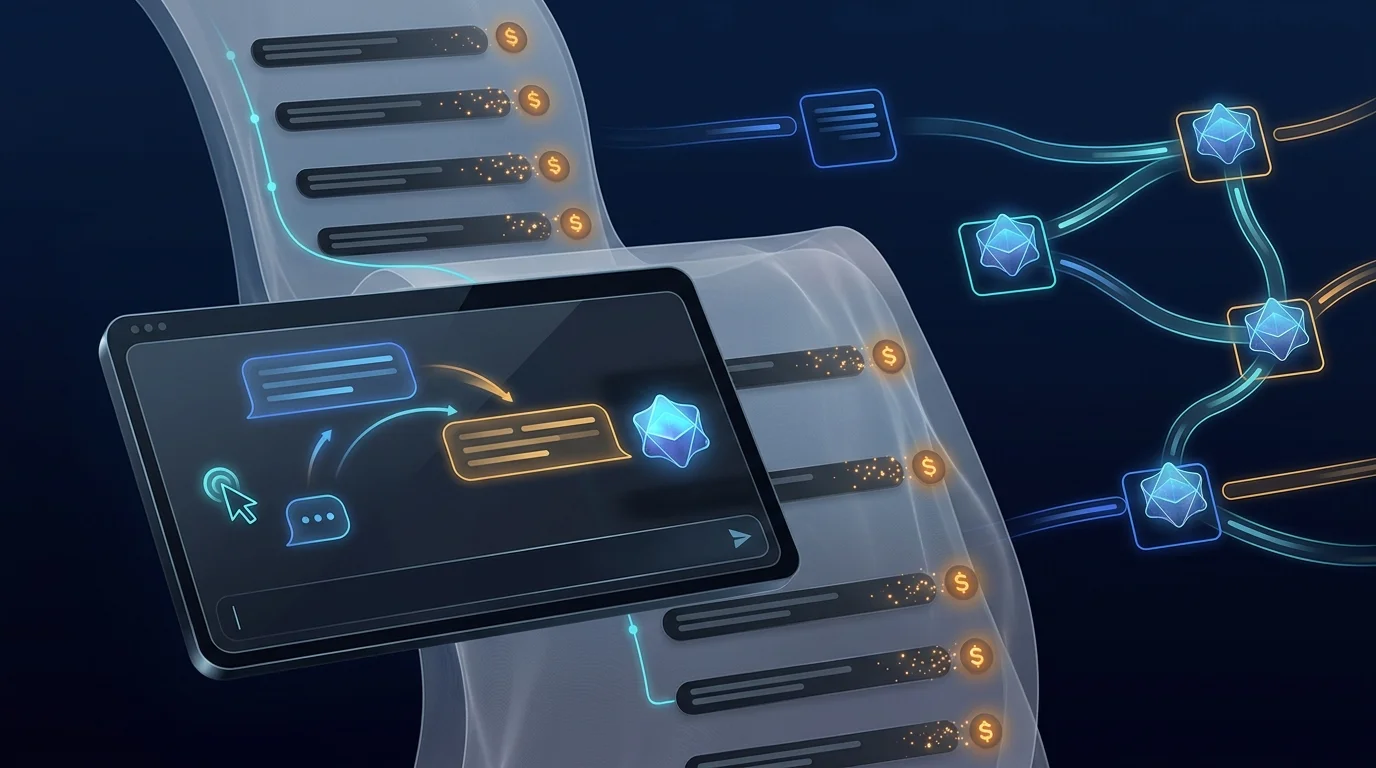
Build Agents
Chat Testing with Execution Records | Botlit Use Cases
Test agents in chat with execution records. Track model calls, token metrics, and audit exchanges for comprehensive testing.

Build Agents
Governed MCP Tool Registry | Botlit Use Cases
Register and manage MCP servers. Track connections, test tools, and ensure governance before agents act on resources.
Build Agents
A2A Multi-Agent Collaboration | Botlit Use Cases
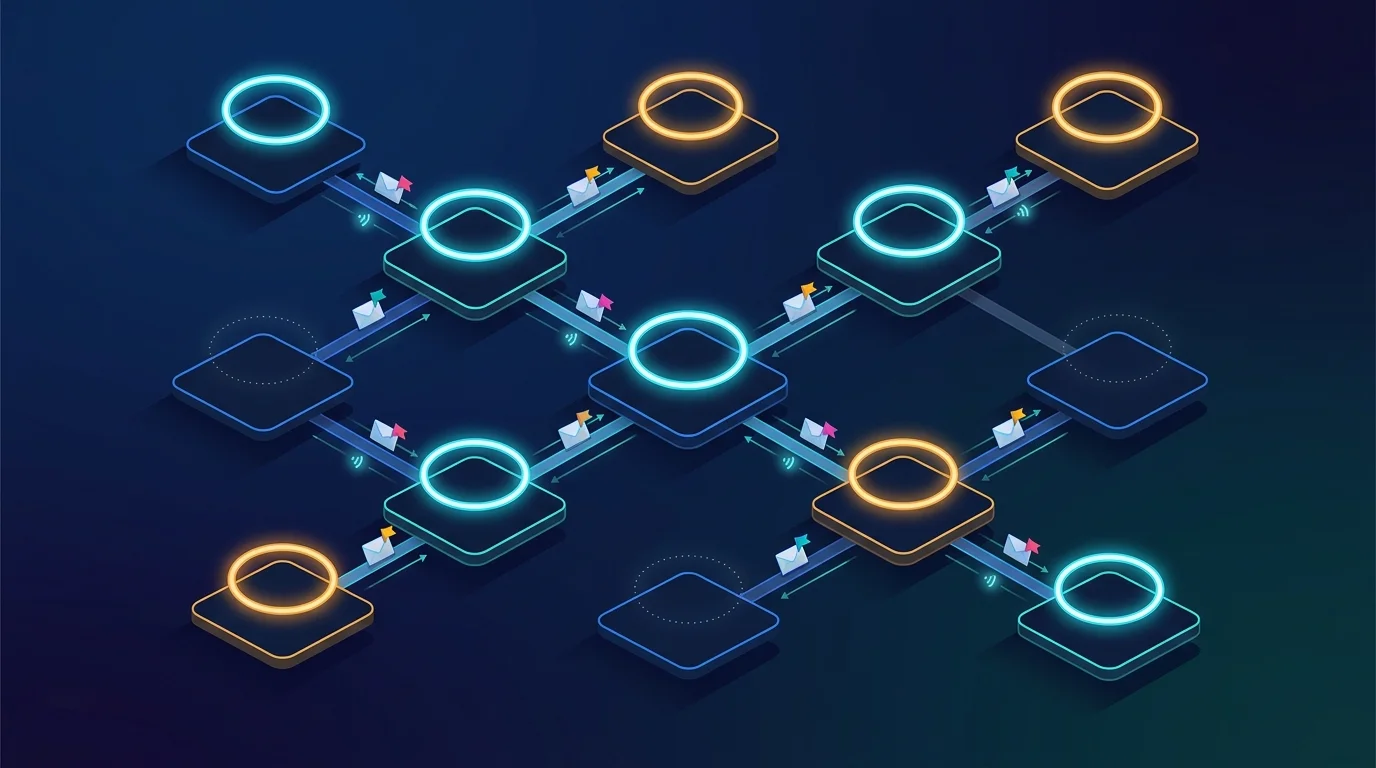
Design multi-agent systems with A2A protocol: manage agent registries, trust levels, and structured communications.

Build Agents
API-first: embed Botlit agents inside your own product
Build your in-product AI assistant on Botlit’s control plane instead of a hand-rolled agent stack: machine credentials, the same API the UI uses, your own model providers, and per-execution cost records for runway math.
Build Agents
Visual Workflow Automation with Botlit | Botlit Use Cases
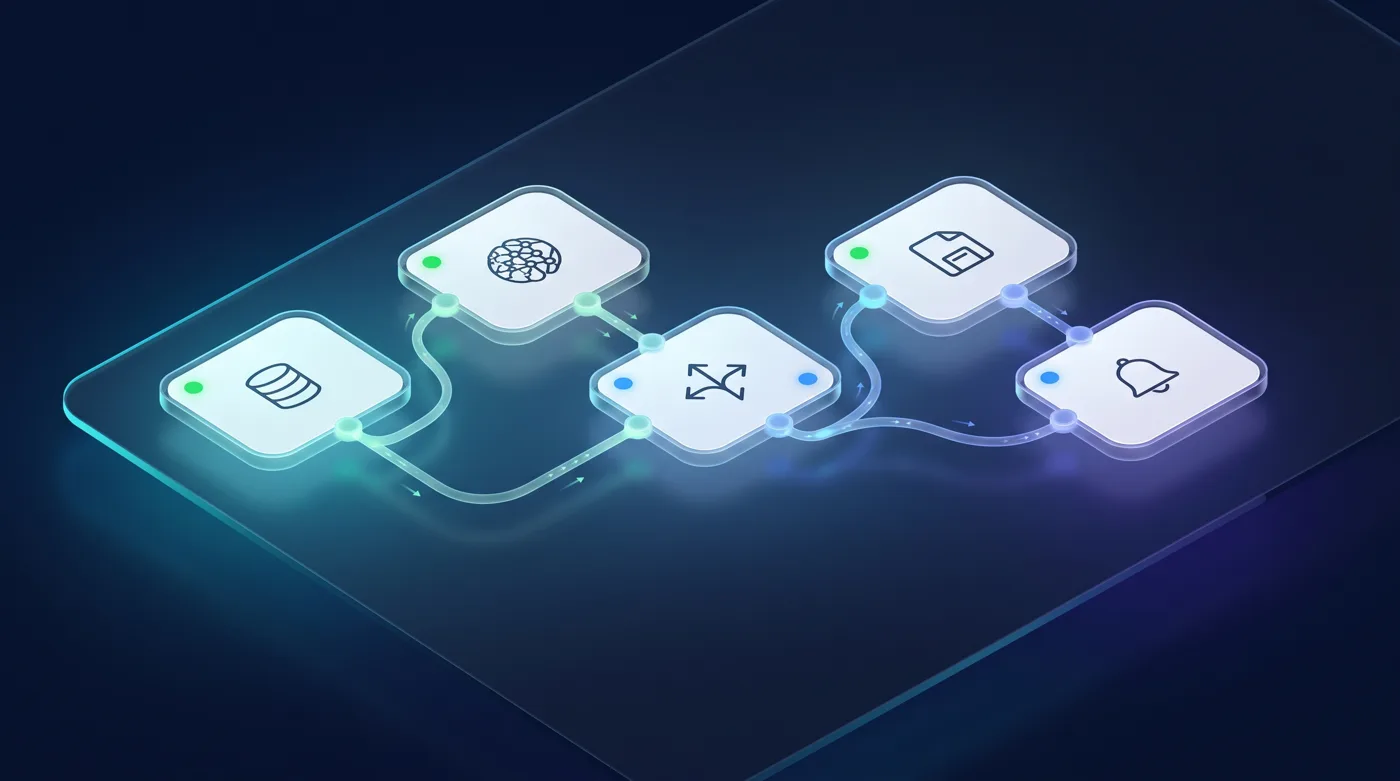
Compose multi-step automations with the FluidGrids visual workflow builder embedded directly in Botlit — the same engine used across the Burdenoff platform — then run them and inspect each step, with credential adapters that can hand your LLM keys to agent steps.

Knowledge & RAG
Knowledge bases with per-KB vector collections and semantic search
Develop RAG corpora with Botlit. Embed documents into vector collections and validate with semantic search for effective knowledge retrieval.
Models & Providers
Bring your own model: 11 provider types with vaulted keys
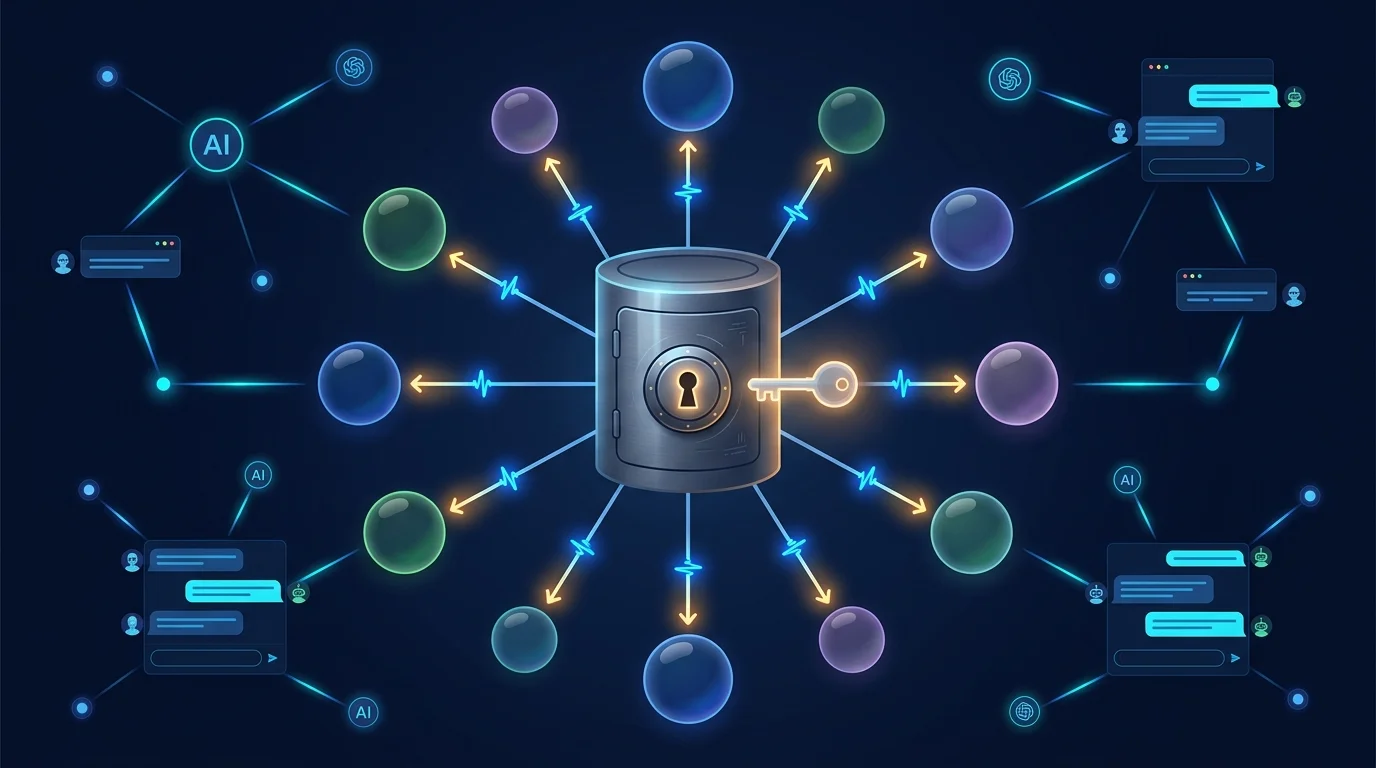
Register the LLM providers your organisation has sanctioned — OpenAI, Anthropic, Google, Cohere, Mistral, Groq, Together, HuggingFace, Azure OpenAI, AWS Bedrock, and custom OpenAI-compatible endpoints — with vaulted credentials, connection tests, and per-model parameters.
Channels
Deploy to Slack, Teams, Discord, and WhatsApp with webhook fan-in
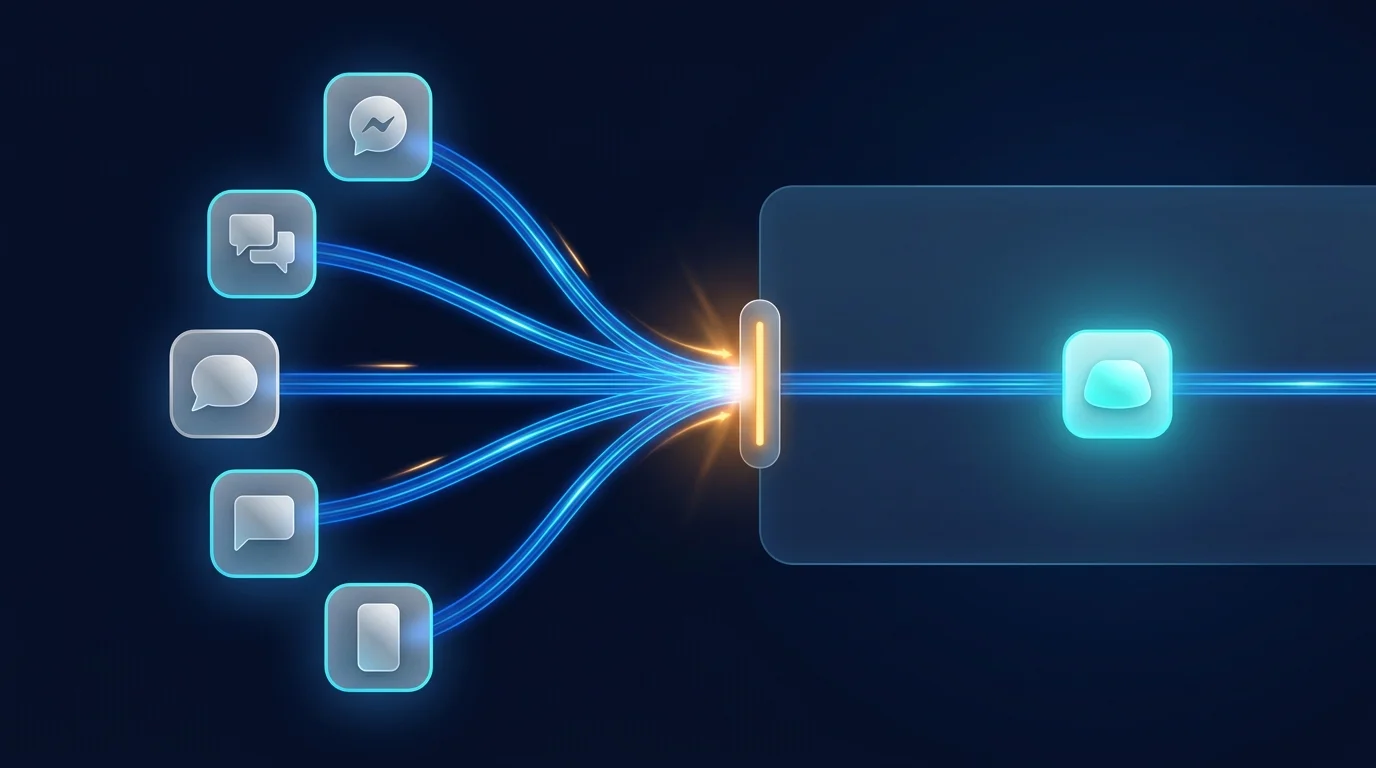
Deploy bots to Slack, Teams, Discord, and WhatsApp. Use channel connectors and webhooks for seamless integration and background processing.
Channels
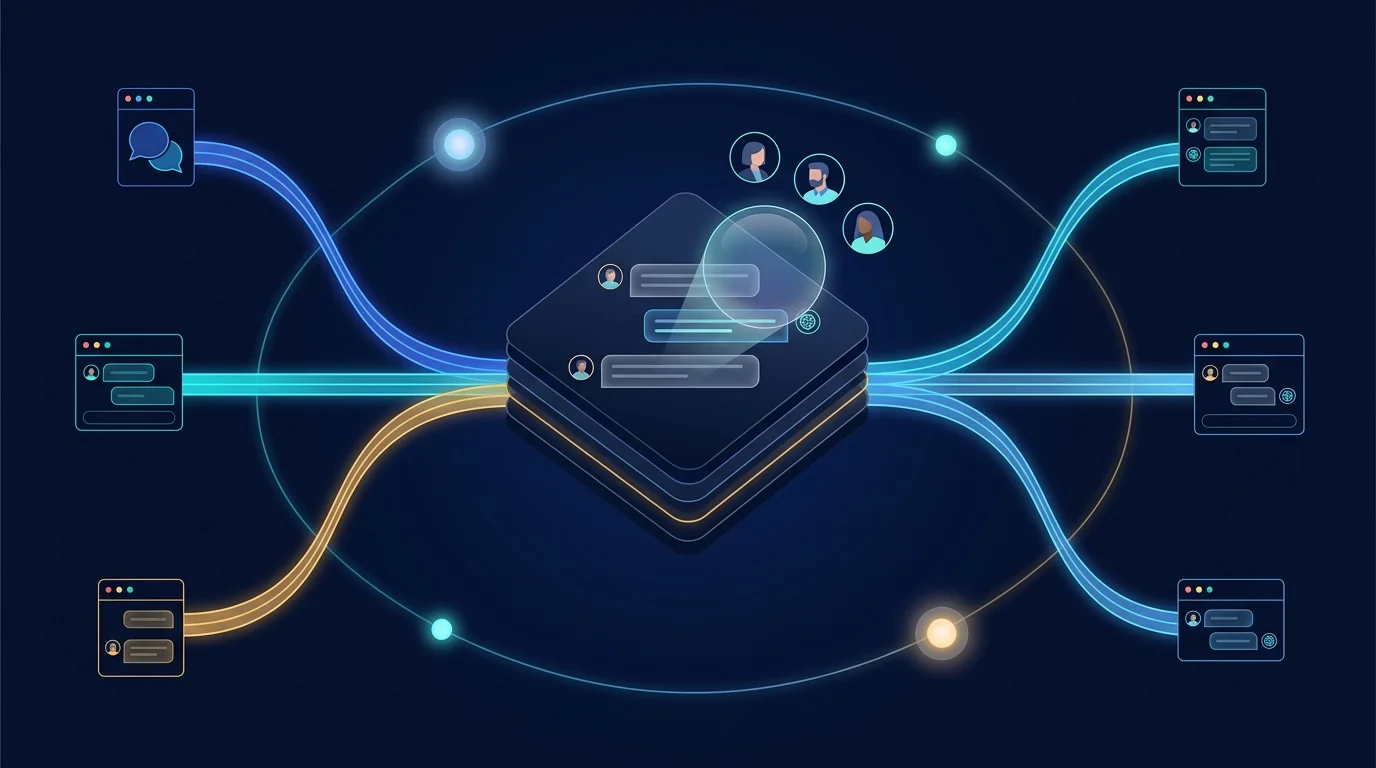
Unified Team Inbox for Agent Conversations | Botlit Use Cases
Centralize agent conversations for easy review and auditing. Access full chat histories across platforms in one shared inbox.
Operations
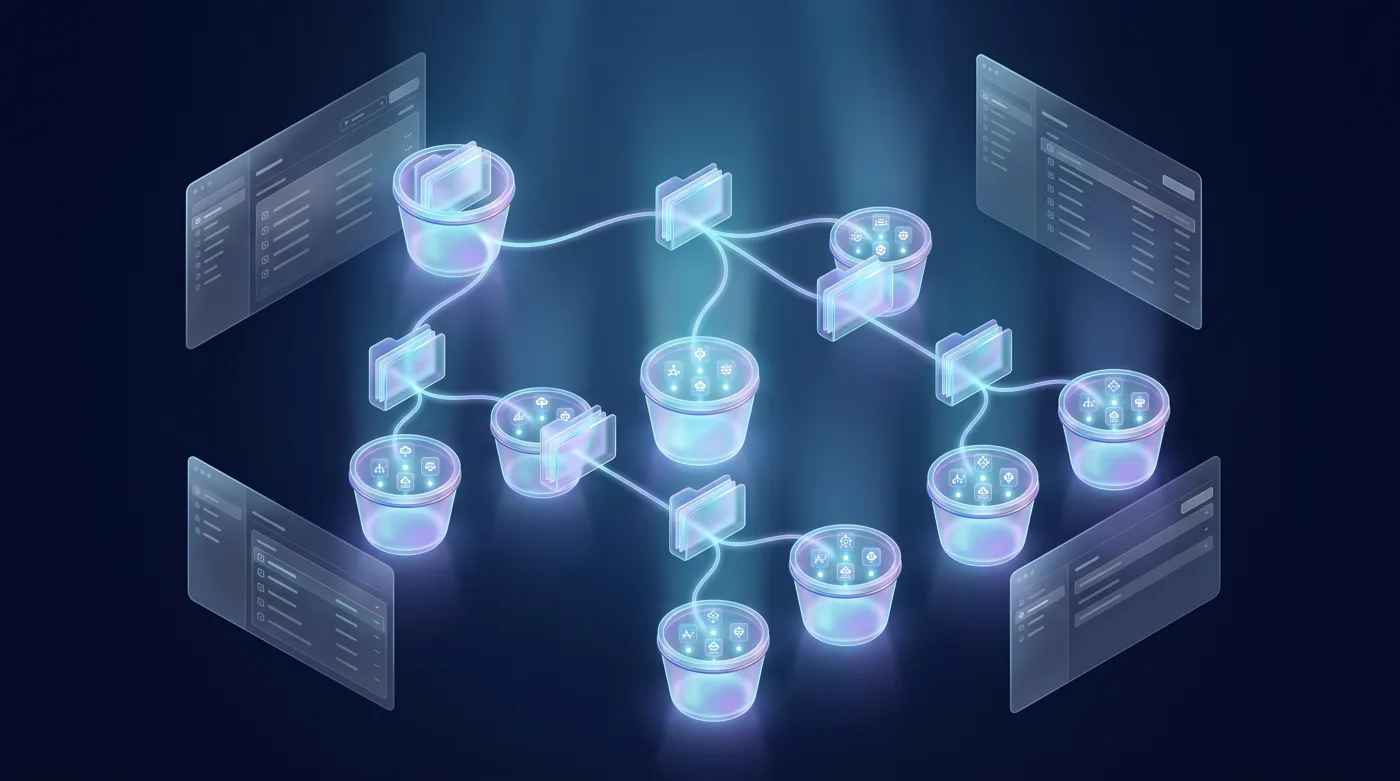
Organize Agents with Hierarchical Buckets | Botlit Use Cases
Manage bot apps with hierarchical buckets. Keep workspaces navigable by organizing agents by team, client, or lifecycle stage.
Operations
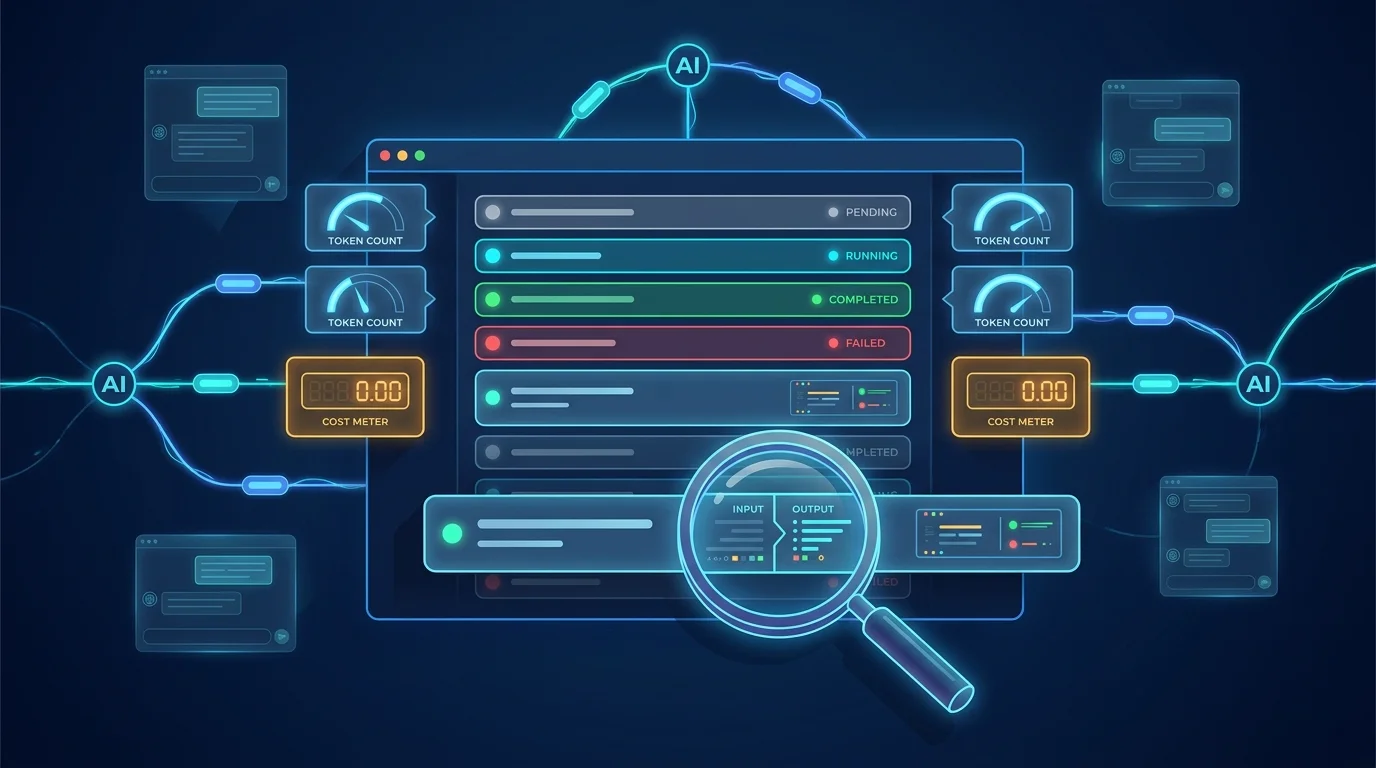
Execution Analytics for AI Agents | Botlit Use Cases
Track execution records with token, cost, and model data. Use detailed analytics for debugging and financial insights.

Operations
Know what every agent costs to run
Gain visibility into agent costs. Use execution metrics to inform pricing, budgeting, and model selection for AI workloads.
Governance & Security
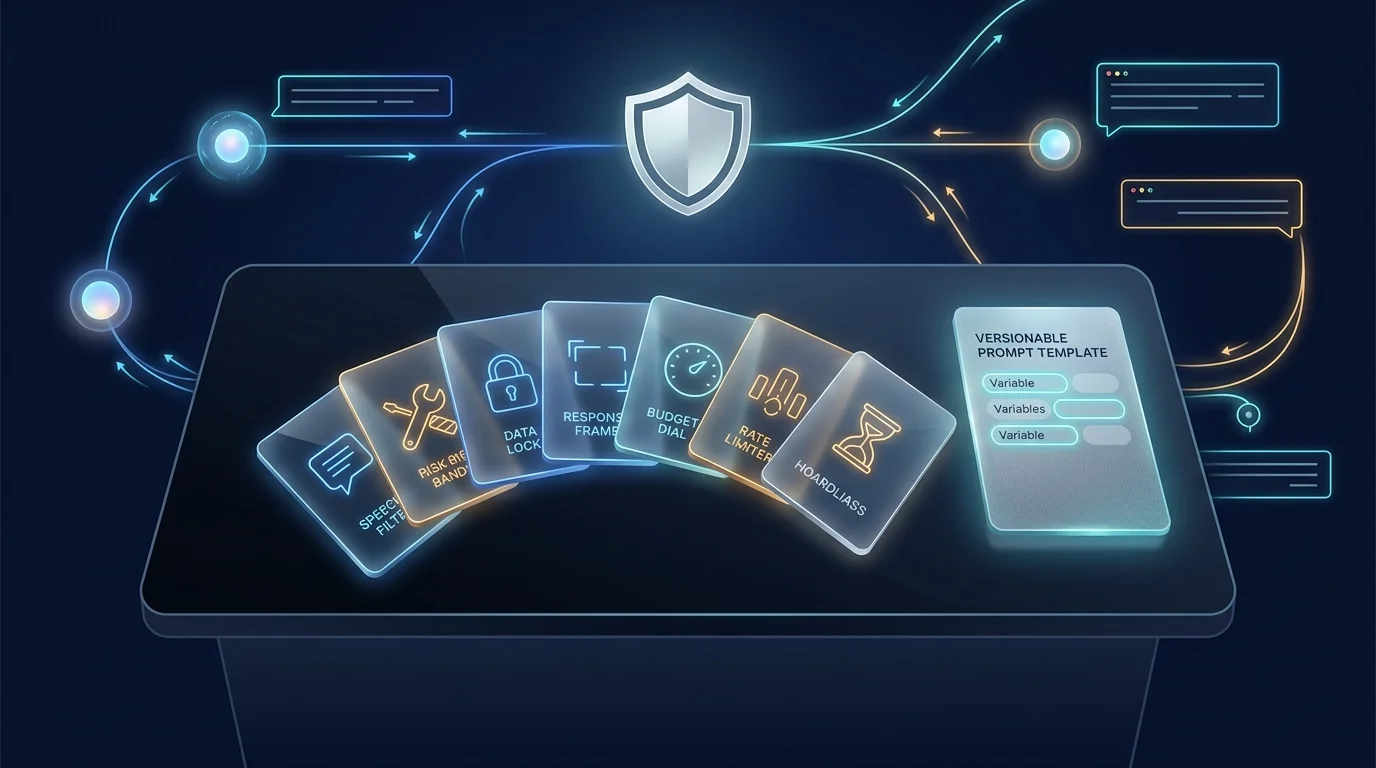
Governance with Policies and Prompts | Botlit Use Cases
Define governance with policies, skills, and templates. Ensure compliance with auditable and shareable governance packages.
Governance & Security
RBAC and Credential Management for APIs | Botlit Use Cases
Botlit inherits the Burdenoff platform’s identity-based security model: every query and mutation is gated by an RBAC rule enforced on every request, workspaces isolate tenants, and machine credentials give pipelines governed access.

AI Native
Answers grounded in your knowledge — or an honest "I don’t know"
When a RAG-enabled agent answers, Botlit embeds the question, searches every ready knowledge base linked to that agent, and injects the best passages into the prompt with an explicit instruction to admit ignorance rather than invent an answer.

AI Native
Tool-Enabled Agents with MCP Calls | Botlit Use Cases
Enable agents to call MCP tools during conversations. Execute tools from a live catalog for dynamic and informed interactions.

AI Native
The router that decides which specialist takes the message
A bot app with several specialist agents needs a decision on every inbound message. Botlit ships that decision as a runtime: single, round-robin, intelligent, and custom strategies, with keyword and pattern scoring first and a model classifier only as fallback.

AI Native
Agents that hand work to other agents — with a leash
Delegation in Botlit runs the target agent for real — its own model, its own tools, its own knowledge — and returns its answer to the caller, with a depth limit, cycle rejection and a message record for every exchange.

AI Native
Guardrails that stop the model, not guidelines that describe it
Enforce strict AI policies with Botlit. Active checks on rate, budget, and content ensure compliance before and after model execution.

AI Native
AI Run Ledger for Auditing and Billing | Botlit Use Cases
Botlit writes an execution record for every agent run — successful or not — with token counts, cost, duration and model, plus per-run metrics for tool calls and retrieved chunks, and meters the product units your plan prices.

AI Native
A copilot that drafts your agents and a supervisor that watches them
Upcoming: Botlit's copilot drafts agents from sentences, while a supervisor monitors fleet performance with decision cards.
Ready to start your own story?
Join the waitlist for early access — intelligent agents, deployed instantly.